

 中文简体
中文简体 Español
 عربى
عربى
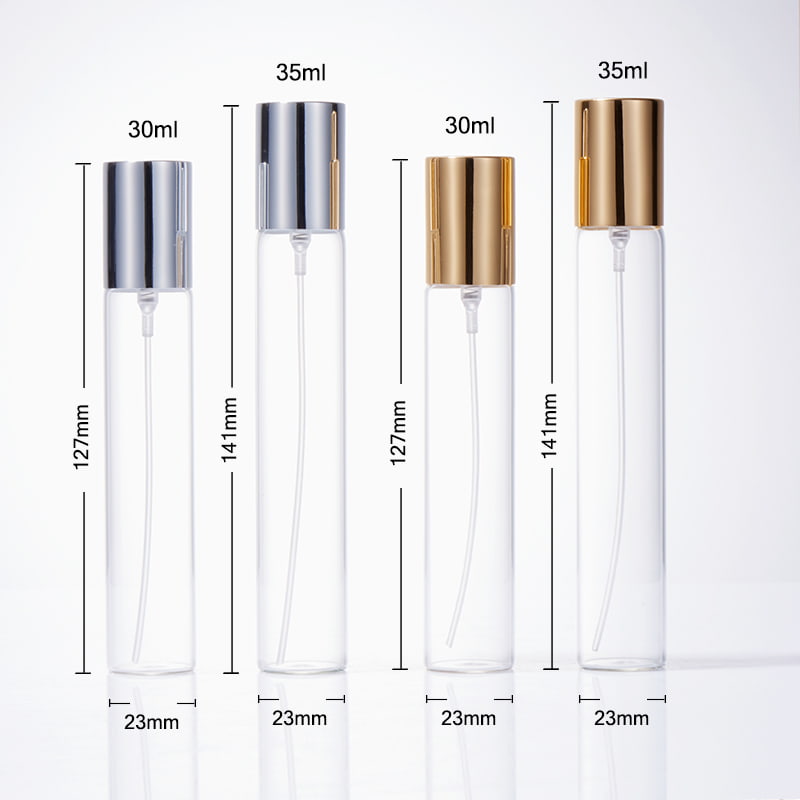
If you have ever searched for a perfume bottle online, you have probably seen 30ml listed as a mid-size option. A 30ml perfume bottle is commonly considered a ...
READ MOREProduct Categories
-
Mist sprayer pump (55)
- -10mm Mist sprayer pump (2)
- -11mm Mist sprayer pump (5)
- -12mm Mist sprayer pump (6)
- -13mm Mist sprayer pump (8)
- -15mm Mist sprayer pump (5)
- -16mm Mist sprayer pump (6)
- -18mm Mist sprayer pump (8)
- -20mm Mist sprayer pump (3)
- -22mm Mist sprayer pump (2)
- -24mm Mist sprayer pump (5)
- -28mm Mist sprayer pump (3)
- lotion pump (46)
-
Cosmetic glass bottle (7)
-
Glass Perfume Bottle (9)
-
Cosmetic Airless Bottle (5)
18mm lotion pump Supplier
-
Read More
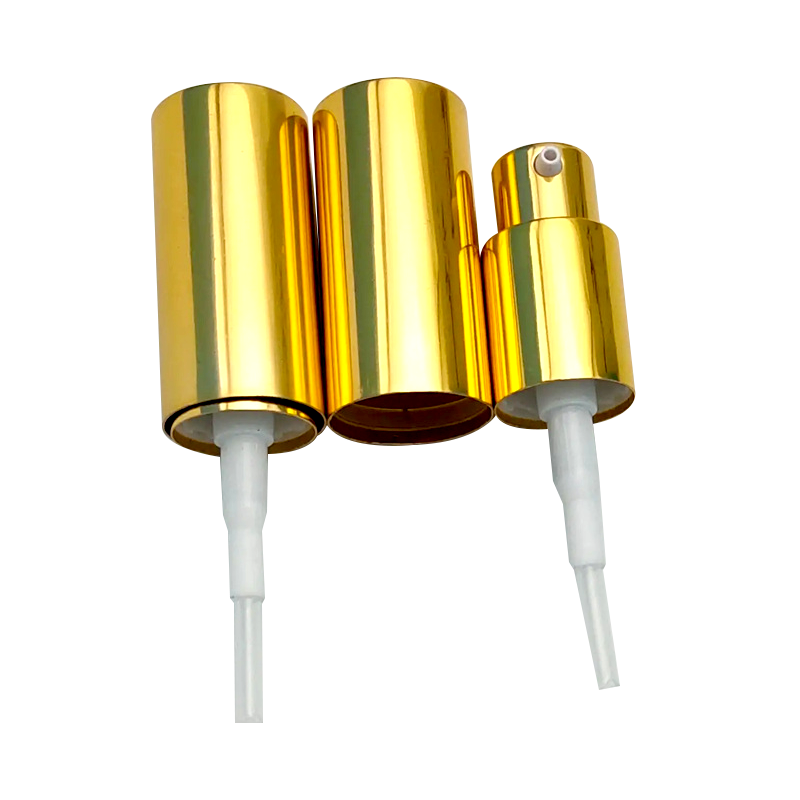
Cream Lotion Pump Full Aluminum Gold 18/410
Cream lotion pump full aluminum gold 18/410 is a pump head design...
-
Read More
18/415 Essential Oil Bottle Cream Lotion Pump
Between the pump head and the bottle mouth through the precision ...
-
Read More
18/410 Gold Aluminum Lotion Cream Pump With A Lid
The main body of the pump is made of golden aluminum alloy materi...
About Us
Zhangjiagang Haojie Packaging Technology Co., Ltd.
Zhangjiagang Haojie Packaging Technology Co., Ltd is china 18mm lotion pump supplier and 18mm lotion pump company and a professional manufacturer of packaging materials for the daily use of chemicals, medicines, and cosmetics. Our products have been sold extensively throughout the domestic market in addition to more than 10 countries and regions worldwide.
Our product range has grown to cover perfume atomizers, lotion pumps, and liquid dispensers in a vast assortment of designs and finishes. Equipped with automatic injection molding machines and strong technical capabilities, we are also able to manage custom packaging designs. We now enjoy an upstanding reputation with clients both at home and abroad, having established trade networks in europe america, the middle east, and southeast asia.
Striving to provide total customer satisfaction with high-quality products and aftersales service. We sincerely welcome old and new customers to cooperate with us to build a brilliant future. If you are interested in any of our products, do not hesitate to contact us with your inquiries.
Our company has precision machine tools, cnc machine tools, an international advanced processing production line, and a strict raw material purchasing system, carb the time will be quality products to customers, and ensure product quality, to to meet customer demand.
The professional, efficient, dynamic marketing team, the integrity of the global market network service system, and timely and full understanding of customer needs. Make rapid accurate responses, so that customers no matter when and where can enjoy our quality service.
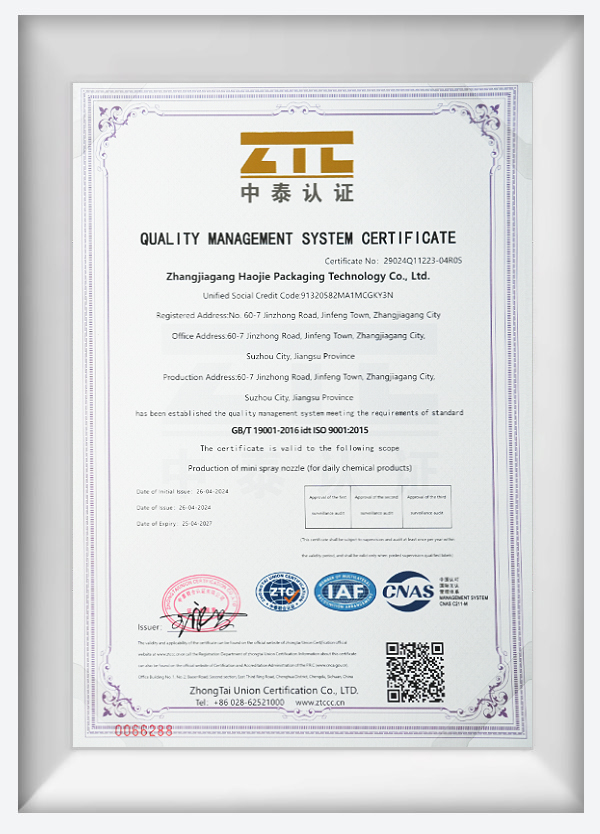
Certificate Of Honor
News
-
-
Going to a perfume trade show is the fastest way to compare packaging suppliers side by side. In a single booth visit, you can press a mist pump ten times, fee...
READ MORE -
Starting a perfume business is not as simple as ordering a bulk bottle of fragrance oil and putting your name on it. From working with cosmetics brands and pac...
READ MORE -
What Is Eau de Parfum, and Why the 15-20 Percent Range Matters Eau de parfum is a hydroalcoholic fragrance that carries roughly 15 to 20 percent aromatic conce...
READ MORE -
The Bottom Line: What Turning Perfume Oil into Spray Actually Involves Take 1 part perfume oil concentrate and 4 parts perfumer's alcohol by volume, which give...
READ MORE
Message Feedback
Industry Knowledge
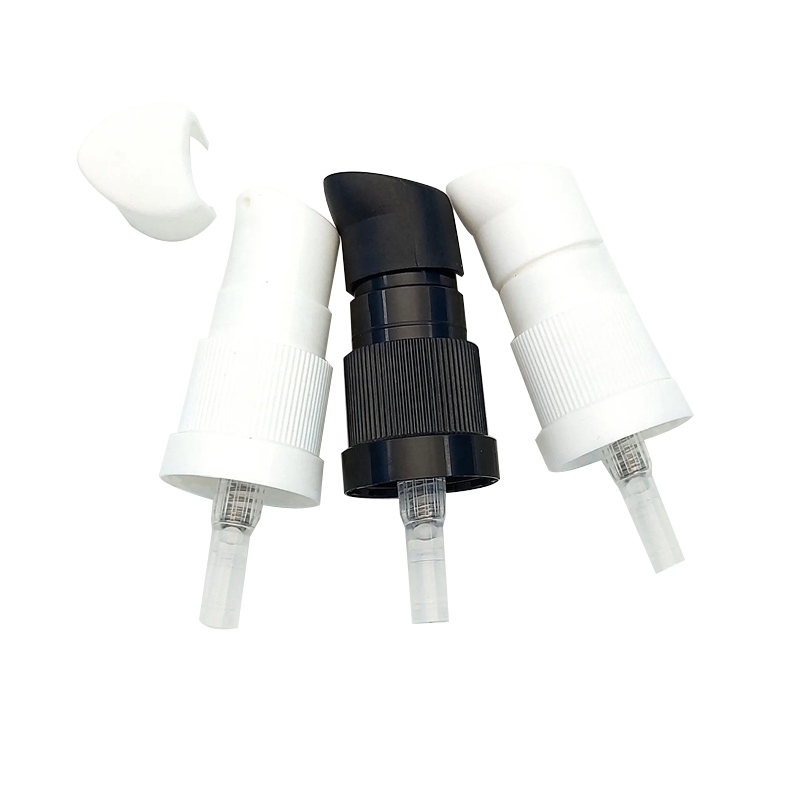
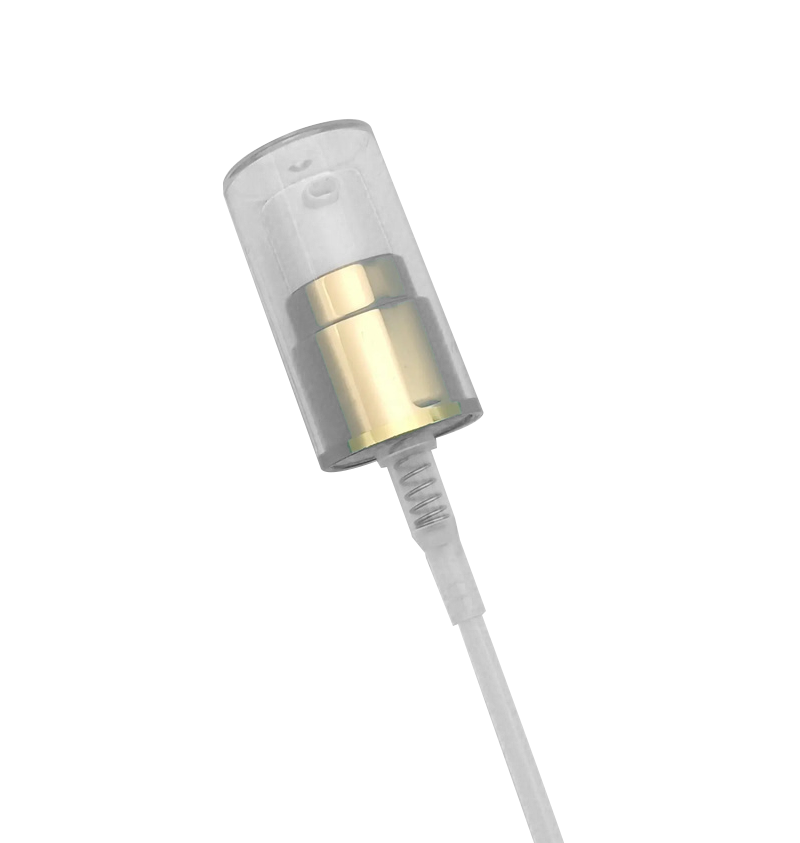
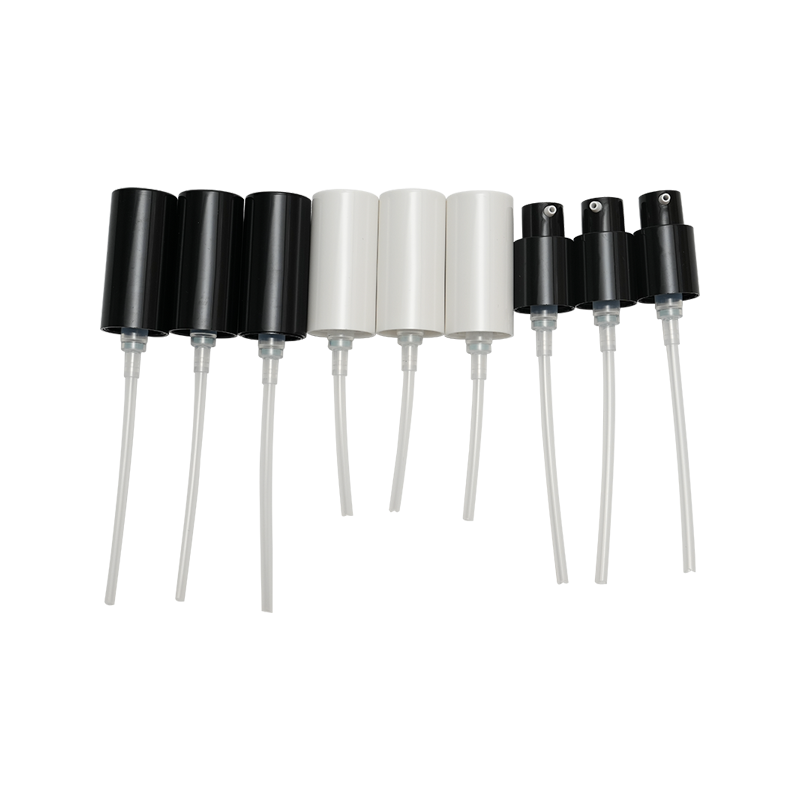
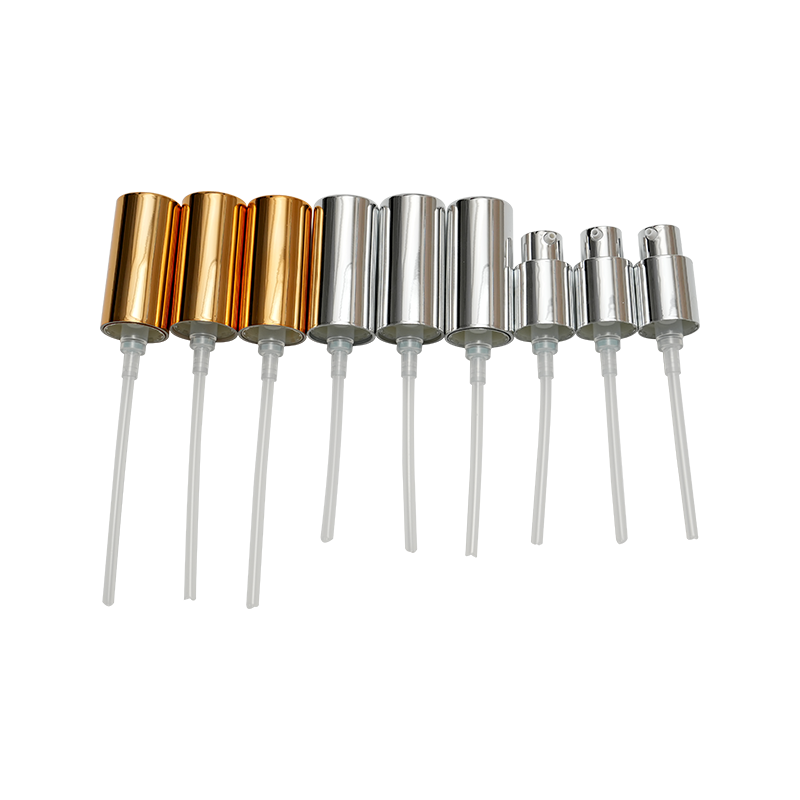
In the competitive landscape of personal care and cosmetic packaging, the selection of a dispensing system is as critical as the formulation itself. The 18mm lotion pump stands out as a specialized solution for high-end skincare, travel-sized products, and pharmaceutical applications. Zhangjiagang Haojie Packaging Technology Co., Ltd. has refined the manufacturing of these components, focusing on mechanical reliability and a seamless user experience.
Rather than viewing a pump as a simple plastic assembly, it should be understood as a precision engine designed to manage viscosity, pressure, and airtight integrity.
Engineering Fundamentals of the 18mm Specification
The "18mm" designation refers to the neck finish diameter, a size that demands tight tolerances to prevent evaporation and leakage. Because this size is often paired with smaller bottles, the internal spring mechanism must be calibrated to provide a smooth stroke without requiring excessive force.
Closure Compatibility: The threading is engineered to fit standard glass and PET containers, ensuring a secure seal that maintains the product’s shelf life.
Actuator Ergonomics: The top portion of the pump—the part the consumer touches—is designed to provide a tactile "click" or smooth resistance, signaling a controlled dosage.
Dip Tube Precision: The length and curvature of the dip tube are customized to ensure that the very last drop of product can be reached, reducing consumer frustration and waste.
Quality Assurance and Fluid Integrity
A common failure point in inferior dispensing systems is the "prime" time—how many pumps it takes to first get the product out—and the consistency of the seal. Zhangjiagang Haojie Packaging Technology Co., Ltd. addresses these technical challenges through a rigorous validation process.
Automated Leak Detection: Every unit undergoes specialized machine testing. This mechanical verification ensures that the vacuum seal within the pump chamber remains intact, even during the pressure changes associated with air transport.
Material Neutrality: The plastics and internal gaskets are selected to be chemically inert, preventing any reaction with active ingredients in lotions or serums.
Consistency of Output: Each stroke is designed to deliver a specific volume of fluid, ensuring the user receives the exact amount of product intended by the manufacturer.
Logistical Infrastructure for Global Supply
Beyond the technical build of the pump, the logistical framework determines the success of a partnership. Efficient movement of components is vital for maintaining production timelines in the beauty and pharmaceutical sectors.
Rapid Prototyping and Sampling: For brands in the development phase, quick access to physical samples via international couriers allows for immediate testing of compatibility with their specific formulations.
Scalable Shipping Solutions: Whether a project requires air freight for a quick launch or sea freight for cost-effective bulk replenishment, the logistics are handled with an emphasis on container integrity to prevent damage to the delicate pump mechanisms during transit.
Comparison of 18mm Pump Applications
| Application Sector | Primary Benefit | Viscosity Compatibility |
| Luxury Skincare | Precision dosing for expensive serums | Low to Medium |
| Travel Essentials | Compact footprint and locking security | Medium to High |
| Dermatological | Hygienic application without finger contact | Medium |
| Essential Oils | Controlled dispensing of concentrated liquids | Low |
Technical FAQ
How does the internal mechanism prevent the lotion from drying out inside the nozzle?
The 18mm lotion pump utilizes a ball-valve or spring-loaded seal that cuts off airflow into the chamber once the stroke is completed. This creates a semi-hermetic environment that prevents the product from oxidizing or hardening at the tip.
Can these pumps handle high-viscosity creams?
While the 18mm size is compact, the internal chamber design can be adjusted. However, for extremely thick pastes, a larger diameter pump is usually recommended to accommodate a wider piston. The 18mm is optimized for fluid lotions, oils, and light gels.
What is the significance of the "lock" feature on these pumps?
For the 18mm size, which is frequently used in handbags or travel kits, a "lock-down" or "twist-lock" feature is essential. It prevents accidental actuation during transport, ensuring the contents do not leak when compressed against other items.
What are the typical lead times for high-volume orders?
For large-scale production, the timeline generally spans 25 to 30 days. This allows for the precise calibration of automated assembly lines and the completion of multi-stage quality control checks to ensure every pump in the batch functions identically.
Are there options for custom aesthetics?
Yes. While the core 18mm mechanical structure remains consistent, the exterior—including the actuator and the closure—can be customized in terms of color and finish (such as matte, glossy, or metallic) to align with a brand's visual identity.
How is product compatibility verified?
It is standard practice to provide samples for "compatibility testing." The client places their formulation inside a bottle with the 18mm pump and observes it over a set period to ensure there is no discoloration, scent change, or mechanical degradation.

- E-mail: [email protected]
- Phone: +86-15962399191
- Add: No. 60-7, East Side of Jinzhong Road, Jinfeng Town, Zhangjiagang City, Suzhou City, Jiangsu Province
Copyright © Zhangjiagang Haojie Packaging Technology Co., Ltd. All Rights Reserved.
 China 18mm lotion pump Supplier
China 18mm lotion pump Supplier