

 中文简体
中文简体 Español
 عربى
عربى
How to Make Perfume Last Longer: 15 Science-Backed Tips for All-Day Fragrance
Industry News-Content
- 1 Why Perfume Fades Faster Than You Expect
- 2 Skin Preparation: The First Five Minutes Decide Everything
- 3 Application Techniques That Actually Work
- 4 The Role of Packaging: Sprayer and Bottle Decide the Result
- 5 Storage Mistakes That Destroy Perfume Longevity
- 6 On-the-Go Reapplication: Longevity Is a Whole-Day Strategy
- 7 Quick Reference: Fragrance Concentrations and Realistic Wear Times
- 8 Frequently Asked Questions
- 9 The Five-Step Routine for Longer-Lasting Perfume
Perfume longevity is not a matter of luck. How long a fragrance stays on your skin comes down to four things you control: the concentration of the formula, the condition of your skin at the moment you spray, where and how you apply the scent, and the way your bottle and sprayer protect the liquid from air, light, and heat. Adjust these four areas and the same bottle can easily give you twice the wear time.
Most people blame the perfume when it fades after two hours. In most cases the formula is not the problem. A quick wrist test on under-hydrated skin, a spray held too far away, or a pump that delivers a coarse wet mist instead of a fine even spray can make an eau de parfum behave like a body splash. Fix the method and the packaging first, and only then judge the fragrance itself.
This guide walks through the entire chain that decides how long perfume lasts: why fragrance evaporates and oxidizes, how to prepare your skin before spraying, which application techniques reliably add hours of wear, how packaging design changes the result, how to store a bottle correctly, and how to refresh during the day without ruining the scent.
Why Perfume Fades Faster Than You Expect
Understanding the mechanism is the fastest way to fix the problem. Three physical processes, concentration, skin chemistry, and oxidation, determine how long you actually smell a fragrance on your body.
Fragrance concentration sets the ceiling
In perfumery, concentration means the percentage of perfume oil dissolved in alcohol and water. Standard industry ranges are: parfum extrait holds 20–30% oil, eau de parfum holds 10–15%, eau de toilette holds 5–8%, and eau de cologne holds 3–5%. Alcohol evaporates from skin within a few minutes; what remains is the oil. An eau de toilette therefore starts with roughly half the longevity ceiling of an eau de parfum made from the same composition. If your goal is an all-day scent, choose an eau de parfum or parfum as your base, because no application trick can stretch a low-concentration formula across the same number of hours.
Dry skin and skin temperature accelerate evaporation
Fragrance oils need a slightly oily surface to bind to. Dry skin, or skin that has just been stripped with harsh soap, lacks that natural lipid layer, so the top notes lift off within 20 to 30 minutes. Skin temperature works on the same timeline: warm areas push alcohol away quickly and drive the entire scent cycle faster, which means the base notes also fade earlier. Keeping your skin cool, clean, and lightly moisturized is the single biggest controllable factor in fragrance retention.
Air and oxidation dull the blend
Perfume is a collection of volatile molecules, many of which react with oxygen. Every time you open the bottle or spray, fresh air is pulled inside. Over months, oxidation flattens the bright top notes and makes the base smell muted and dusty. This is why a bottle that is almost empty can smell weaker than the day it was opened, even when the same juice remains. The quality of the closure is not a minor detail; it is directly connected to how quickly this process happens.
Skin Preparation: The First Five Minutes Decide Everything
The largest gain in wear time happens before your finger touches the nozzle. The routine below is what cosmetic chemists recommend for maximum fragrance retention.
- Shower or wash the skin thoroughly. Fragrance clings longer to clean, oil-free skin; sweat, dead cells, and body odor push the scent off quickly.
- Pat dry, then apply an unscented body lotion or body oil within three minutes. Damp skin absorbs the moisturizer more deeply, leaving a better base layer.
- Add a thin occlusive layer on your pulse points, petroleum jelly or shea butter. This barrier slows alcohol evaporation and anchors the perfume oil to the skin.
- Wait 60 to 90 seconds for the moisturizer to settle, then spray your fragrance from the correct distance.
Why this works: perfume dissolves into the emollient layer instead of sitting on top of the skin, so the alcohol evaporates away while the oil stays bound and releases gradually. Cosmetic formulators commonly estimate that well-moisturized skin extends fragrance perception by 30–50% compared with bare dry skin, with no change in the scent itself.
Use unscented, simple-formula products. A heavily scented body butter will clash with your perfume, and heavy mineral-oil products can muffle the top notes rather than support them.
Application Techniques That Actually Work
Spray distance and spray pattern
Hold the nozzle 15–20 cm (6–8 inches) away from the skin. Too close, and you get a wet, concentrated patch that stays damp for minutes. Too far, and most of the mist settles on the floor instead of on you. A fine, uniform mist covers a larger area with less liquid, dries in seconds, and leaves a more even scent trail. Cosmetic packaging engineers study exactly how nozzle design directly affects atomization quality, and the same physics applies to the bottle in your hand.
Choose pulse points instead of spraying everything
Perfume develops best where blood vessels run close to the skin, because gentle warmth diffuses the scent over time.
- Wrists: spray and let air-dry, never rub.
- Sides of the neck and behind the ears.
- Inner elbows, which stay covered in most clothing and radiate slowly.
- Behind the knees when wearing dresses, skirts, or trousers.
Two or three pulse points are enough. Covering ten different spots does not extend the scent, it only makes the first thirty minutes louder.
Do not rub your wrists together
Rubbing breaks the fragrant top notes and generates friction heat that speeds up evaporation. Spray, keep your hands still, and let the alcohol dry on its own.
Clothes and hair: use them deliberately
Fabrics hold fragrance longer than skin. Cotton and wool can retain a scent for more than 24 hours, while synthetics absorb the juice and may distort the smell. Spray clothes from at least 20 cm away, and never let the nozzle touch the fiber. For hair, perfume alcohol dries the strands, so spray a brush first and then run it through your hair, or choose a dedicated hair fragrance for midday refreshes. The mechanical quality of the pump makes a measurable difference here: a uniform spraying system in a mini perfume pump produces the consistent, fine mist that fabric and hair need.
The Role of Packaging: Sprayer and Bottle Decide the Result
The pump is the only interface between the liquid and your skin, and the closure is the only barrier between the juice and the air. Packaging quality can make the same fragrance feel stronger or weaker, which is why professional fragrance buyers test with the actual production bottle before they launch a product.
How the pump changes atomization
A well-engineered fine mist pump forms droplets in the 30–60 micrometre range. These droplets spread evenly, dry within seconds, and deliver the full scent profile with one short press. A cheap or worn pump, by contrast, pushes heavier droplets that land wet, stay wet, and carry more alcohol, so more of the top note evaporates before the fragrance binds to skin. When perfumers test a new formula, they always test it with the real pump and bottle; the same juice performs differently in different closures. For bottle necks between 10 and 15 mm, an aluminum perfume glass bottle mist sprayer lid is one typical example of a crimp-style closure engineered for a fine, even mist.
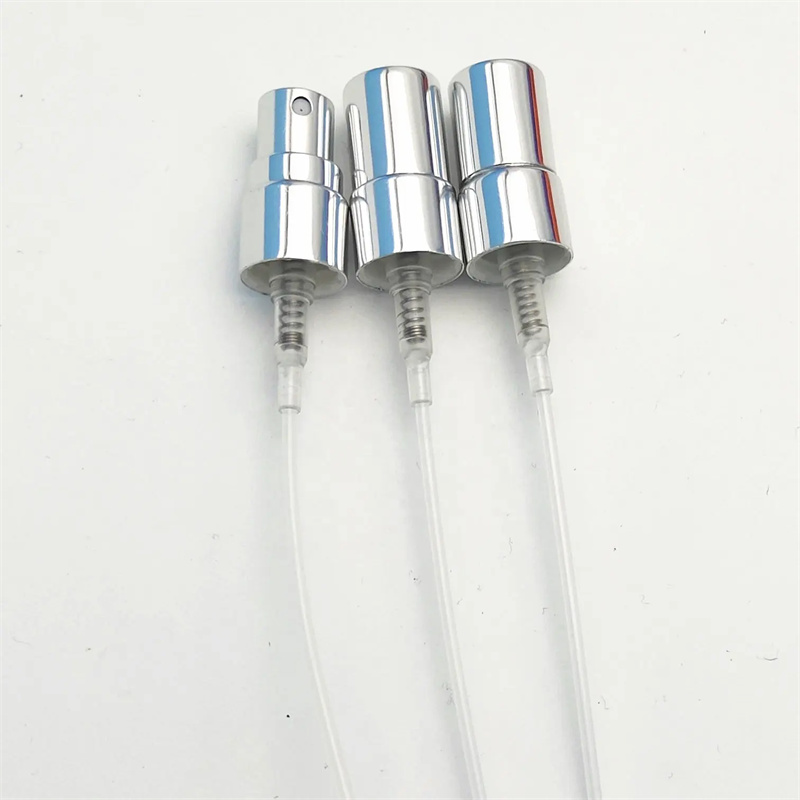 Cosmetic Anodized Aluminum Pump Head Manufacturer, Custom CompanyZhangjiagang Haojie Packaging Technology Co., Ltd is China cosmetic anodized aluminum pump head manufacturer and cosmetic anodized alumin...View Product →
Seal quality protects the formula
Once air gets in, the perfume oxidizes. The cap, pump gasket, and crimp or screw threads are the front line. A tight seal keeps the blend lively for the full useful life of the bottle; a loose one lets alcohol escape and lets oxygen do its slow damage. Since most perfume bottles are stored for months between uses, pay attention to the long-term sealing performance of aluminum pump sprayers when you buy refillable formats or long-lasting bottle designs.
Refillable bottles slow down oxidation
Every time you open the main bottle, fresh air rushes in. A smarter strategy is to keep a 5–10 ml refillable atomizer filled with your daily fragrance and leave the large bottle closed in a drawer. The headspace in the main bottle stays minimal, so oxidation slows dramatically. This single habit can extend the vivid life of a large bottle by a year or more under typical room-temperature storage conditions.
What about non-spray fragrance products
For alcohol-free or low-alcohol formats such as solid perfumes, concentrated fragrance oils, or perfume-adjacent body serums, airtight packaging protects the formula far better than a wide-mouth jar. An airless bottle with a toner spray lotion pump keeps oxygen out completely and is the standard answer when a formula contains sensitive natural extracts.
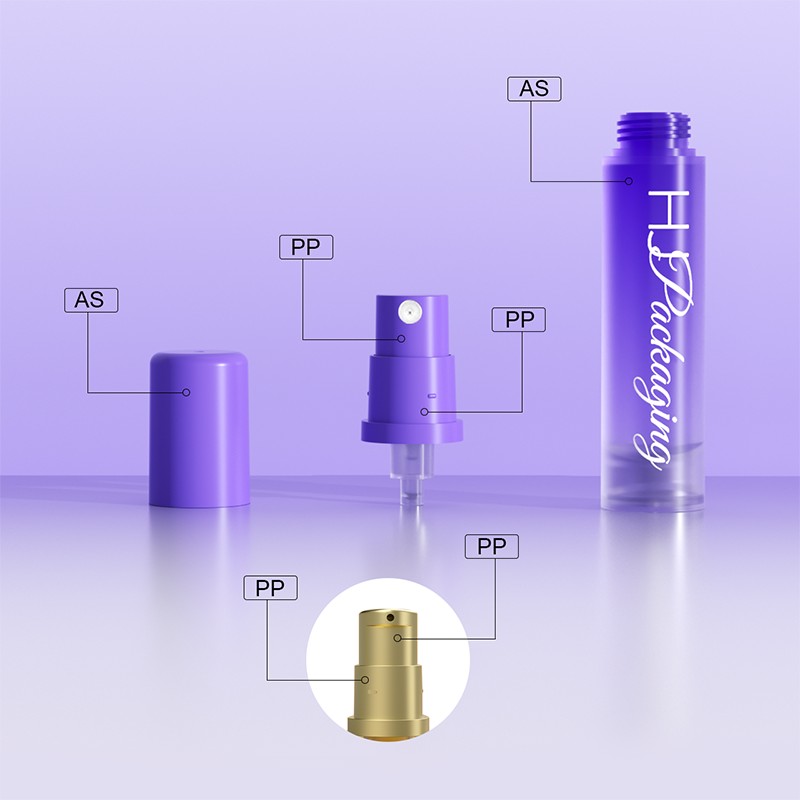 Custom 18mm 5ml 10ml 12ml 15ml Airless Bottle with Toner Spray Lotion Pump ManufZhangjiagang Haojie Packaging Technology Co., Ltd is China OEM/ODM 18mm 5ml 10ml 12ml 15ml Airless Bottle with Toner Spray Lotion Pump ma...View Product →
Storage Mistakes That Destroy Perfume Longevity
How you store a bottle has more effect on its long-term strength than almost any application trick. Most damage comes from four environmental factors.
| Factor | Ideal Condition | Damaging Condition |
|---|---|---|
| Temperature | 15–20°C, stable | Above 26°C or frequent swings |
| Light | Dark drawer or cabinet | Direct sunlight, display lighting |
| Humidity | Dry, below 60% relative humidity | Bathroom steam and moisture |
| Air | Cap sealed after every spray | Loose cap, near-empty bottle for months |
The bathroom is the worst room in the house for perfume. Steam and heat creep under the cap and through the gasket, alcohol evaporates, and the oils oxidize. Keep perfumes in a bedroom drawer, a dark cabinet, or the original carton. If you rotate several bottles, decant a few millilitres into a small atomizer and stop opening the large ones so often.
On-the-Go Reapplication: Longevity Is a Whole-Day Strategy
Reapplying is not a sign that the perfume failed. It is how many professionals maintain scent from morning until evening, especially in summer or during long workdays.
- Keep a 5–10 ml travel atomizer filled with the same perfume. The smallest practical option is a refillable aluminum perfume atomizer
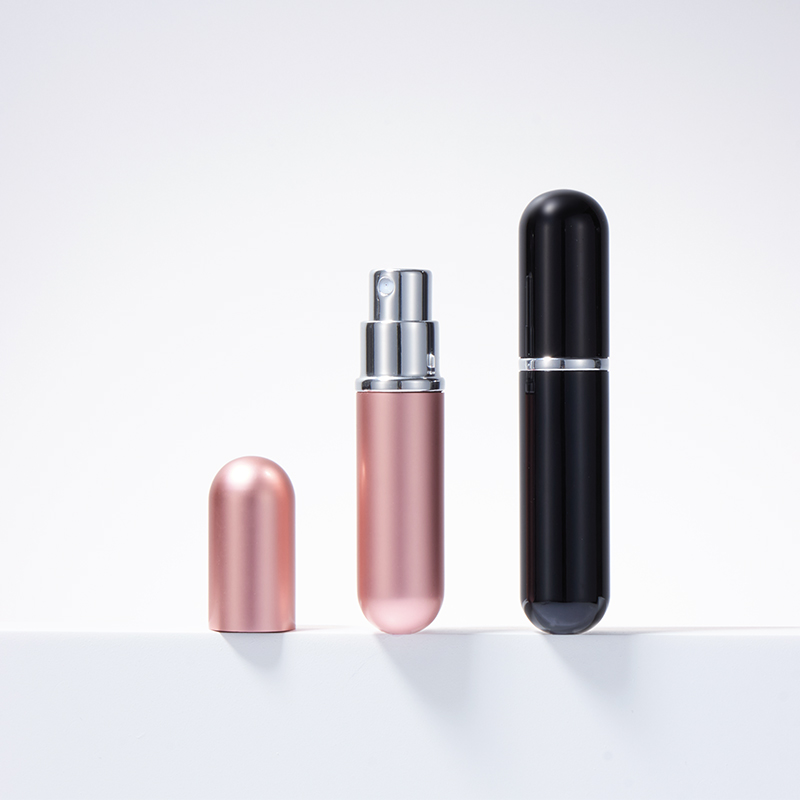
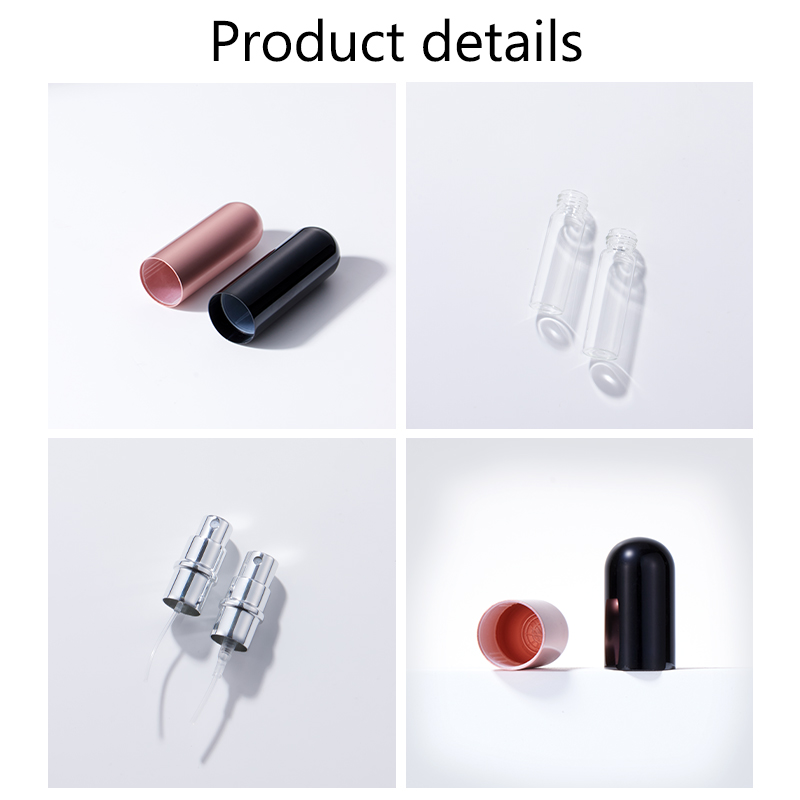 Custom 5ml Refillable Aluminum Perfume Atomizer Manufacturer, Company - ZhangjiaZhangjiagang Haojie Packaging Technology Co., Ltd is China OEM/ODM 5ml Refillable Aluminum Perfume Atomizer manufacturer and 5ml Refillab...View Product →, which fits in a pocket and refills without a funnel.
 - Before the afternoon spray, blot the skin with a dry tissue. Spraying over sweat is the fastest way to shorten the life of every fragrance.
- Use an unscented hand cream before re-spraying. It rebuilds the moisturizer base that the morning layer has already consumed.
- On very hot days, reduce each spray by one and add a hair mist at noon; hair holds scent longer in humid air than skin does.
If your perfume evaporates unusually fast during the day, check the climate and your activity level first. Heat and exercise change the evaporation rate more than the amount of fragrance oil remaining in the bottle.
Quick Reference: Fragrance Concentrations and Realistic Wear Times
The table below uses the standard perfumery classification ranges. The prepared skin column assumes moisturized skin, a correct spray distance, and two to three pulse points.
| Format | Oil Concentration | Typical Wear on Bare Skin | With Skin Preparation |
|---|---|---|---|
| Parfum extrait | 20–30% | 8–12 hours | 10–14 hours |
| Eau de parfum | 10–15% | 6–8 hours | 8–10 hours |
| Eau de toilette | 5–8% | 3–5 hours | 5–7 hours |
| Eau de cologne | 3–5% | 2–3 hours | 3–4 hours |
These numbers are averages from consumer testing panels within the fragrance industry. A citrus-heavy formulation will sit at the lower end of the range, while a woody or amber base can exceed the upper end. Wear time also depends on individual body chemistry, so treat the table as a starting point rather than a guarantee.
Frequently Asked Questions
Does petroleum jelly make perfume last longer?
Yes. A thin layer of petroleum jelly on pulse points slows alcohol evaporation and gives the fragrance oils something to bind to. Consumer tests typically show one to two extra hours of detectable scent, with no change in the scent character. Use a light layer; heavy amounts feel greasy and pick up lint.
Where should I spray perfume to make it last?
The classic pulse points, wrists, sides of the neck, behind the ears, and inner elbows, are the best spots. Pick two or three per application. Spraying more areas does not extend longevity; it simply increases the intensity of the first hour.
Should I spray perfume on clothes or skin?
Both, but for different reasons. Clothes, especially cotton and wool, hold scent for 24 or more hours but do not develop the personal chemistry that skin does. Use one spray on skin and one on a scarf or collar at a distance of at least 20 cm. Avoid silk, because alcohol can leave marks on delicate fabrics.
How many sprays is ideal?
It depends on concentration and occasion. A practical baseline: parfum 1–2 sprays, eau de parfum 2–4 sprays, eau de toilette 3–5 sprays. Reduce by one spray on hot days, when heat amplifies projection.
How long does an opened perfume keep its strength?
With proper storage, cool, dark, and tightly sealed, an opened bottle keeps its full character for 12 to 36 months. After that, the top notes may fade and the base may turn slightly dull, but a well-sealed bottle can remain wearable for years. The seal quality of the pump is usually more important than the date printed on the box.
The Five-Step Routine for Longer-Lasting Perfume
- Choose the right concentration for how long you actually need the scent to last.
- Prepare the skin: clean, dry, lightly moisturized, with an occlusive layer on pulse points.
- Spray from 15–20 cm in a fine mist, on two or three pulse points, without rubbing.
- Store the bottle sealed, cool, and dark; use a refillable atomizer for daily wear.
- Blot and re-spray once or twice during a long day, especially in warm weather.
None of these steps changes how a perfume smells. They change how long that smell stays on you. Apply them consistently, and the same bottle will go from a two-hour memory to an eight-hour presence.
Our Products //
Related Product

- E-mail: [email protected]
- Phone: +86-15962399191
- Add: No. 60-7, East Side of Jinzhong Road, Jinfeng Town, Zhangjiagang City, Suzhou City, Jiangsu Province
Copyright © Zhangjiagang Haojie Packaging Technology Co., Ltd. All Rights Reserved.
 China Cosmetic Packaging Manufacturers
China Cosmetic Packaging Manufacturers