

 中文简体
中文简体 Español
 عربى
عربى
How Does 100 ml Look Like? Visual Size Guide & Examples
Industry News-Content
- 1 100 ml Compared to Everyday Objects
- 2 Physical Dimensions: How Tall, Wide, and Heavy Is 100 ml?
- 3 How to Estimate 100 ml Without a Measuring Tool
- 4 Why 100 ml Became a Standard Size for Cosmetic Glass Bottle Packaging
- 5 100 ml Versus Other Common Bottle Sizes
- 6 Visual Tricks for Picturing 100 ml Instantly
- 7 Practical Tips When Shopping for or Packaging 100 ml Products
- 8 How 100 ml Is Used Across Different Industries
- 9 Regional Differences in How 100 ml Is Labeled and Used
- 10 Glass Versus Plastic: Choosing the Right 100 ml Container
- 11 Real-World Examples of 100 ml Products
- 12 Storage and Shelf Life Considerations for 100 ml Products
- 13 Quick Glossary of Terms Related to 100 ml Packaging
- 14 Frequently Asked Questions About 100 ml
- 14.1 Is 100 ml the same as 100 grams?
- 14.2 How many ounces is 100 ml?
- 14.3 Can I bring a 100 ml bottle on a plane?
- 14.4 What does a 100 ml glass bottle look like compared to a plastic one?
- 14.5 How many tablespoons equal 100 ml?
- 14.6 Why do perfume bottles often come in 100 ml sizes?
- 14.7 How long does a 100 ml skincare product typically last?
- 14.8 Does the shape of a bottle affect how much liquid it actually holds?
100 ml looks like a small bottle roughly the size of a travel-sized shampoo container or a standard cosmetic glass bottle that fits comfortably in the palm of your hand — about as tall as a smartphone and wide enough to wrap your fingers around. In everyday terms, 100 ml equals a little less than half a cup, slightly more than a third of a standard soda can, and close to the size of a small yogurt cup. This single measurement shows up constantly in skincare, perfume, travel kits, and kitchen recipes, yet most people still struggle to picture it without holding something in their hands.
This guide breaks down exactly what 100 ml looks like across different containers, why this volume became the gold standard for airline carry-on liquids and cosmetic glass bottle packaging, and how to estimate it without a measuring cup. We will also compare it to common household items, explain how it relates to weight depending on liquid density, walk through the manufacturing side of glass bottle production, and answer the most frequent questions people search for when trying to visualize this exact quantity.
Whether the goal is packing a carry-on bag correctly, choosing the right size cosmetic glass bottle for a new skincare line, or simply understanding a recipe that calls for 100 ml of liquid, having a clear mental picture of this volume saves time and prevents guesswork. The sections below are organized so you can jump straight to the comparison that matters most to you, from kitchen measuring tricks to packaging industry standards.
100 ml Compared to Everyday Objects
The fastest way to understand 100 ml is to compare it side by side with things you already own. Below is a comparison table built from standard container measurements used across the cosmetic glass bottle and food packaging industries.
| Item | Typical Volume | Visual Comparison to 100 ml |
|---|---|---|
| Standard espresso cup | 60-90 ml | Slightly smaller, about 70-90% full |
| Small yogurt cup | 100-125 ml | Nearly identical size |
| Travel-size shampoo bottle | 90-100 ml | Almost exactly the same |
| Standard soda can | 330 ml | About one-third the size |
| Regular coffee mug | 240-350 ml | Less than half full |
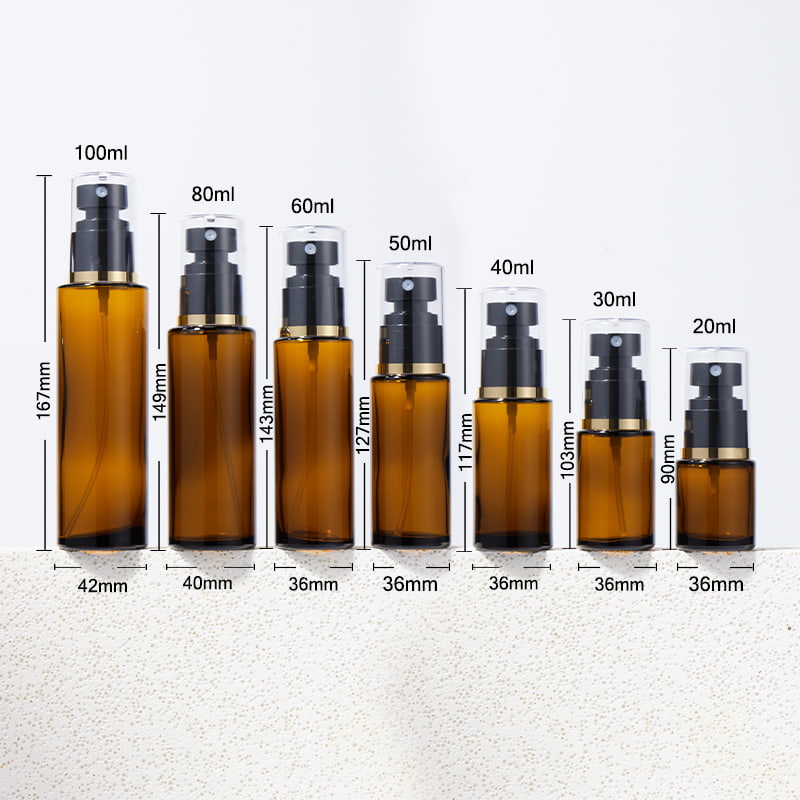
| Cosmetic glass bottle (round, 100 ml) | 100 ml | Exact match, roughly 9-11 cm tall depending on shape |
| Small wine glass pour | 120-150 ml | Slightly larger, around 70-80% of a typical pour |
| Single-serve juice box | 200 ml | About half the size |
Notice how a typical cosmetic glass bottle designed for lotions, toners, or serums is frequently manufactured in exactly this size because it satisfies airline carry-on liquid restrictions in most countries while still giving brands enough room for label design and shelf presence. Many skincare brands intentionally design their flagship products around this exact volume since it balances perceived value with manufacturing cost.
Physical Dimensions: How Tall, Wide, and Heavy Is 100 ml?
Volume alone does not tell the full story, since shape changes how large a container appears. A tall, narrow cosmetic glass bottle looks very different from a short, wide jar even though both hold exactly 100 ml of liquid. Understanding the relationship between shape and perceived size is part of why packaging designers spend so much time on bottle silhouette before a single label is ever printed.
Typical Height and Diameter Ranges
- Cylindrical cosmetic glass bottle: approximately 9-11 cm tall, 3.5-4 cm diameter
- Square-shaped glass bottle: approximately 8-9 cm tall, 4.5 x 4.5 cm base
- Wide-mouth glass jar for creams: approximately 5-6 cm tall, 6 cm diameter
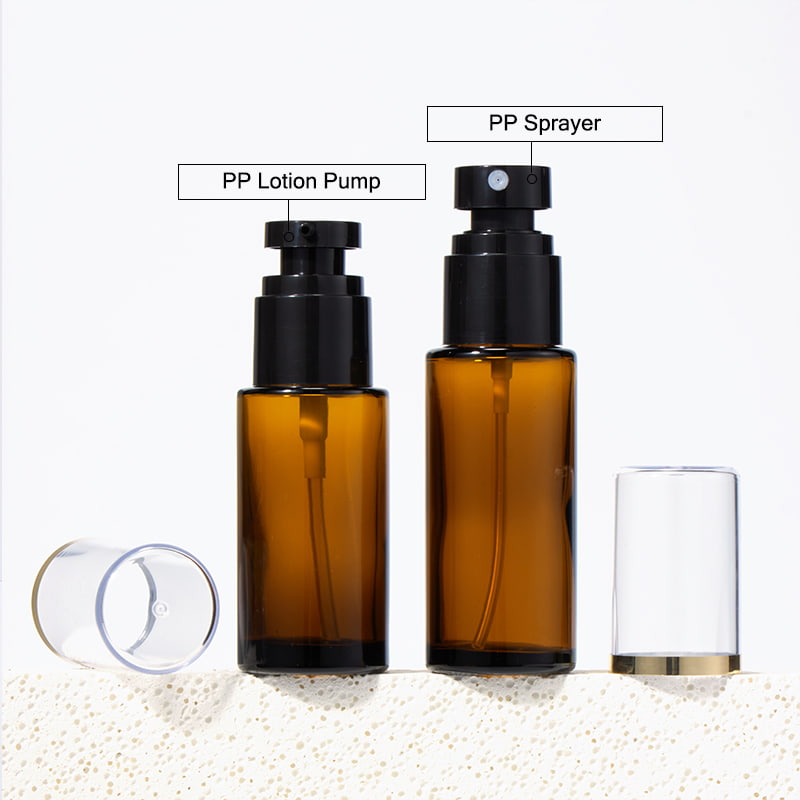
- Pump-top serum bottle: approximately 11-13 cm tall including pump head, 3.5 cm diameter
- Flat oval perfume-style bottle: approximately 8-10 cm tall, 5 cm wide, 2.5 cm thick
- Boston round bottle with dropper: approximately 9-10 cm tall including cap, 4 cm diameter
Weight Considerations
Weight depends heavily on what is inside the container. Pure water at 100 ml weighs almost exactly 100 grams because water has a density of 1 gram per milliliter at room temperature. Other common cosmetic liquids shift slightly from this baseline depending on their formulation, oil content, and added thickeners:
| Liquid Type | Approximate Density (g/ml) | Weight of 100 ml |
|---|---|---|
| Water | 1.00 | 100 grams |
| Facial toner | 0.98-1.02 | 98-102 grams |
| Body lotion | 0.95-1.05 | 95-105 grams |
| Perfume oil concentrate | 0.83-0.95 | 83-95 grams |
| Massage oil | 0.90-0.93 | 90-93 grams |
| Honey-based serum | 1.35-1.45 | 135-145 grams |
| Rubbing alcohol | 0.78-0.79 | 78-79 grams |
A glass cosmetic bottle holding 100 ml of toner will typically weigh close to its liquid weight plus an additional 60-120 grams for the glass itself, which is why empty bottle weight matters so much for shipping calculations in the beauty industry. Brands shipping internationally often calculate total parcel weight using empty bottle weight plus liquid weight plus packaging materials, since postal and courier rates scale directly with total shipment mass.
How to Estimate 100 ml Without a Measuring Tool
Not everyone has a measuring cup nearby, so here are reliable visual and tactile methods for estimating this volume when cooking, mixing skincare products at home, or refilling a travel bottle on short notice.
Using Kitchen Spoons
One tablespoon holds approximately 15 ml, meaning it takes roughly six and a half tablespoons to reach 100 ml. A teaspoon holds about 5 ml, so 20 teaspoons would also equal this amount, though this method becomes impractical for anything beyond small adjustments. For quick mental math, three tablespoons plus one teaspoon gets you close to 50 ml, so doubling that combination lands you near the full 100 ml mark.
Using Standard Drinking Glasses
A small juice glass filled to about one-third of its typical 300 ml capacity lands close to 100 ml. Shot glasses, by contrast, usually hold 30-45 ml, so roughly two and a half shot glasses combined approximate the volume. A standard espresso cup filled just over the rim also gets remarkably close to this number.
Using Your Hand as a Reference
If you cup both hands together loosely, the resulting hollow space typically holds somewhere between 80-120 ml of liquid, making this a rough but surprisingly useful field estimate when nothing else is available. This trick works well for estimating bath products, diluted cleaning solutions, or even portioning liquid ingredients while traveling.
Using a Standard Water Bottle as a Reference Point
A typical 500 ml water bottle filled to one-fifth of its total height gives a reasonably accurate 100 ml mark, since most consumer water bottles have fairly consistent cylindrical proportions throughout the body of the bottle.
Why 100 ml Became a Standard Size for Cosmetic Glass Bottle Packaging
The beauty and personal care industry did not choose 100 ml arbitrarily. Several practical factors pushed brands toward this specific volume as a packaging sweet spot, and understanding these factors helps explain why so many products on store shelves cluster around this exact number.
- Airline liquid restrictions in most regions cap individual containers at 100 ml for carry-on luggage, making it the maximum convenient travel size.
- It strikes a balance between product longevity and freshness, since many skincare formulas with natural preservatives are meant to be used within three to six months of opening.
- Manufacturing molds for glass bottles at this volume are widely available and cost-efficient, which keeps unit production costs lower for mid-size and emerging beauty brands.
- It fits comfortably within standard retail shelf depth and bathroom counter space, giving brands a practical size that consumers find easy to store and handle daily.
- It aligns well with typical usage rates for daily skincare products, lasting an average user roughly two to four months depending on application frequency.
- It keeps unit retail pricing in a psychologically comfortable range for mid-tier skincare positioning, avoiding the premium price perception that comes with larger bottle formats.
According to packaging industry trade data compiled by Smithers Pira in their global packaging volume studies, container sizes between 50 ml and 100 ml represent one of the fastest-growing segments in premium skincare packaging, driven largely by single-use travel kits and sample-size product trials. Glass remains the preferred material for premium positioning because it preserves scent and formula stability better than most plastics, particularly for oil-based serums and fragrance products.
Manufacturing Process Behind a 100 ml Cosmetic Glass Bottle
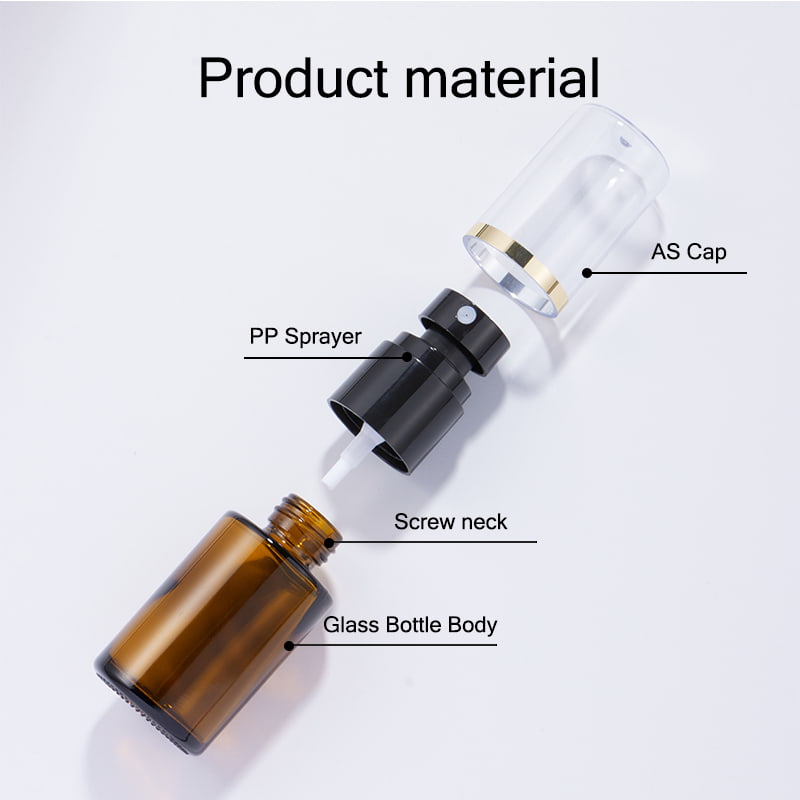
Most cosmetic glass bottles in this size range are produced through one of two primary methods: blow-and-blow molding or press-and-blow molding. Blow-and-blow molding is typically used for narrow-neck bottles such as serum or toner bottles, while press-and-blow molding is more common for wide-mouth jars used for creams and balms. After molding, bottles go through annealing, a controlled cooling process that relieves internal stress in the glass and reduces the risk of cracking during shipping or use.
Surface treatments are often applied afterward, including frosting, spray coating, or UV printing, all of which can slightly affect the final perceived size and weight of the bottle without changing its actual 100 ml liquid capacity.
100 ml Versus Other Common Bottle Sizes
Understanding where 100 ml sits among other typical bottle volumes helps clarify product choices when shopping for skincare, fragrance, or travel containers, and helps brands choose the right packaging tier for different product lines.
| Volume | Common Use | Relative Size to 100 ml |
|---|---|---|
| 10 ml | Essential oil samples, perfume testers | One-tenth the size |
| 30 ml | Serums, essential oils, sample perfumes | Less than one-third |
| 50 ml | Travel-size lotions, mid-size perfume bottles | Half the size |
| 100 ml | Toners, full-size perfumes, travel lotion bottles | Baseline reference |
| 200 ml | Body wash, shampoo, larger lotion bottles | Double the size |
| 500 ml | Bulk refill bottles, large body lotion containers | Five times the size |
| 1000 ml | Salon-size refill bottles, professional use containers | Ten times the size |
For brands designing a full product line, this scaling logic matters: a 30 ml sample size, a 100 ml standard size, and a 500 ml refill size can all share the same bottle silhouette at different proportions, simplifying mold design while still offering customers multiple purchase tiers.
Visual Tricks for Picturing 100 ml Instantly
Beyond formal comparisons, a few quick mental shortcuts make it easier to picture this volume on the spot, whether you are shopping online without physical access to the product or trying to judge whether a recipe quantity sounds right.
- Picture a standard glass cosmetic toner bottle sitting on a bathroom shelf, since that exact product is almost always sold in this volume.
- Think of filling roughly one-third of a standard 330 ml soda can.
- Recall a hotel mini shampoo bottle, since most hotel toiletry bottles fall between 30-50 ml, meaning two to three of them combined roughly equal 100 ml.
- Visualize a small kitchen ramekin filled almost to the brim.
- Imagine a standard deck of playing cards stood on its short end, which is roughly comparable in height to many 100 ml glass bottles.
- Think of a small candle jar that lasts about four to six weeks with daily evening use, since many of those are also produced near this volume.
Practical Tips When Shopping for or Packaging 100 ml Products
Whether buying skincare online or sourcing cosmetic glass bottle packaging for a new product line, a few practical considerations make the decision easier.
For Everyday Shoppers
When a product listing only states "100 ml" without a photo showing scale, comparing it mentally to a travel shampoo bottle or small yogurt cup gives an immediate and fairly accurate sense of size. If buying for travel, confirm the airline's specific carry-on liquid policy before the trip, since some regions enforce stricter limits than others, and rules occasionally change between booking and travel dates.
For Brands and Small Businesses
When sourcing cosmetic glass bottle packaging at 100 ml, it helps to request a sample unit with cap and pump attachment before committing to a bulk order, since small variations in neck thread size between suppliers can cause compatibility issues with pumps, droppers, or spray tops. Confirming glass thickness and weight tolerance with the manufacturer also avoids unexpected differences in final shipped product weight, which directly affects logistics costs for larger orders.
Common Mistakes to Avoid
- Assuming all 100 ml bottles share the same height, when shape variation can make two bottles look drastically different despite holding identical volume.
- Forgetting that frosted or tinted glass can make a bottle appear smaller or larger than a clear glass version of the exact same volume.
- Overlooking headspace, since most bottles are not filled completely to the rim, meaning the visible liquid level may sit slightly below the bottle's true capacity line.
How 100 ml Is Used Across Different Industries
The 100 ml mark is not exclusive to skincare. It quietly governs packaging decisions in food, pharmaceuticals, beverages, and household goods as well. Looking at how different industries treat this volume reveals just how versatile and practical this measurement really is.
Skincare and Cosmetics
Toners, micellar waters, body lotions, and some shampoo lines frequently default to 100 ml as a standard retail size, often packaged inside a cosmetic glass bottle with a flip cap, pump, or spray nozzle depending on the product texture. Lightweight, water-based formulas tend to use spray or pump tops, while thicker lotions usually rely on flip-cap or disc-top closures for controlled dispensing.
Fragrance and Perfume
100 ml is one of the most common full-size perfume volumes sold globally, sitting between the smaller 50 ml option and the larger 150-200 ml luxury formats. Many fragrance houses position their 100 ml bottle as the standard size, with 30 ml or 50 ml versions marketed as travel or trial sizes.
Food and Beverage
Small condiment bottles, infant formula sample sizes, and some single-serving cooking oil packets use volumes close to 100 ml. Wine tasting pours in some regions are also regulated near this range, with many countries defining a standard tasting pour at around 100-125 ml.
Pharmaceuticals and Medical Use
Liquid medications, syrups, and certain oral suspensions are frequently dispensed in 100 ml bottles, particularly for short-course treatments where the full volume is meant to be consumed within a defined treatment window. Saline solution bottles for minor wound care also commonly appear in this size for single-household use.
Regional Differences in How 100 ml Is Labeled and Used
While the metric system uses milliliters consistently worldwide, regional packaging habits and labeling conventions can change how 100 ml is presented to consumers.
| Region | Typical Labeling Style | Common Product Context |
|---|---|---|
| United States | Often shown as 3.4 fl oz alongside or instead of ml | Travel-size toiletries, perfume bottles |
| European Union | Milliliters used exclusively on most labels | Skincare, fragrance, household liquids |
| United Kingdom | Milliliters standard, occasionally paired with fl oz for legacy reference | Cosmetics, pharmacy liquids |
| Japan | Milliliters standard, often paired with detailed usage duration on packaging | Skincare lotions, toners |
| Australia | Milliliters standard, aligned closely with EU-style labeling | Cosmetics, travel toiletries |
This labeling variation matters most for online shoppers comparing products across different regional storefronts, since a product listed as 3.4 oz and another listed as 100 ml may be the exact same item despite appearing different at first glance.
Glass Versus Plastic: Choosing the Right 100 ml Container
For brands and consumers deciding between a cosmetic glass bottle and a plastic alternative at the same 100 ml volume, several practical differences are worth understanding beyond simple aesthetics.
| Factor | Glass Bottle | Plastic Bottle |
|---|---|---|
| Formula preservation | Excellent, especially for oils and fragrances | Good, but can interact with certain oils over time |
| Weight | Heavier, typically 60-120 grams empty | Lighter, typically 10-25 grams empty |
| Breakage risk | Higher, requires careful packing for shipping | Very low, more travel-friendly |
| Recyclability | Infinitely recyclable without quality loss | Recyclable but with quality degradation over cycles |
| Perceived premium value | Generally higher, associated with quality skincare and fragrance | Generally lower, associated with mass-market or travel products |
Glass remains the preferred material whenever scent preservation and premium shelf presence matter most, which is why most high-end toners, serums, and perfumes continue to favor a cosmetic glass bottle over plastic alternatives, despite the added shipping weight and breakage considerations.
Real-World Examples of 100 ml Products
Concrete product examples help cement the size in memory far better than abstract numbers alone. Below are common categories where 100 ml appears as a standard or near-standard size.
- Many international perfume brands sell their core fragrance line in a 100 ml bottle as the standard adult size, with smaller 30 ml and 50 ml versions offered as alternatives.
- Facial toners and essence products in both Western and Asian skincare markets frequently default to 100 ml or very close to it, such as 95 ml or 110 ml depending on the brand's packaging supplier.
- Travel-size shower gels and shampoos sold in multi-packs for hotels and airlines commonly use 100 ml bottles to comply with carry-on liquid rules while still offering a reasonable amount of product.
- Certain massage and body oils marketed for at-home spa use are bottled at 100 ml, balancing enough product for several sessions without excessive bulk.
- Small hand sanitizer bottles designed for handbags and car compartments are frequently sold at or near 100 ml for easy portability.
Storage and Shelf Life Considerations for 100 ml Products
Once a 100 ml product is purchased, how it is stored significantly affects how long it remains usable and how quickly the visible liquid level drops.
Light and Temperature Exposure
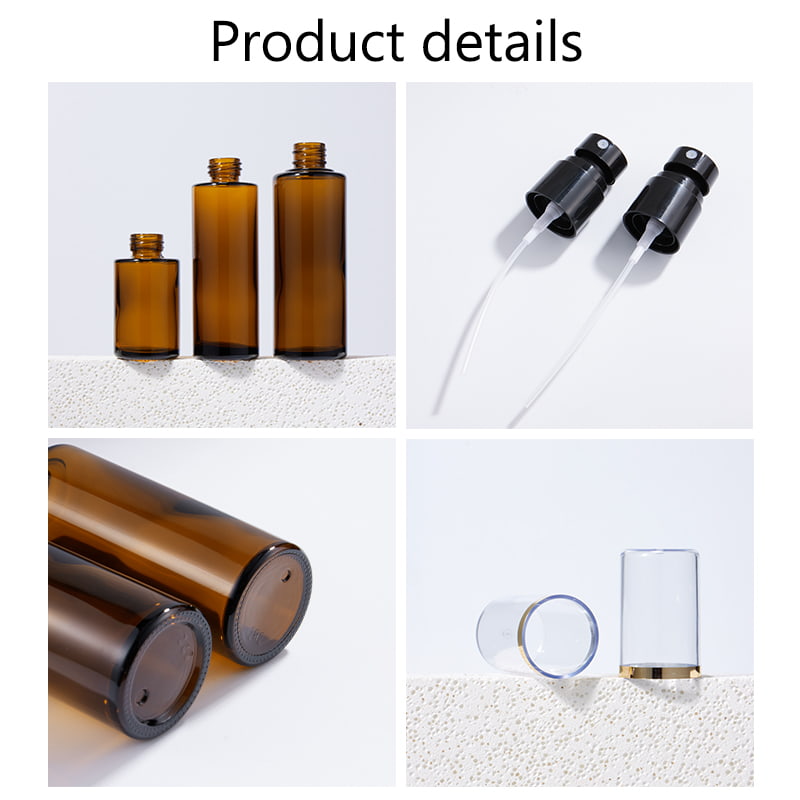
Glass cosmetic bottles, particularly clear ones, can allow light exposure to degrade certain active ingredients over time, which is why many serums and oils are packaged in amber, frosted, or UV-coated glass rather than fully transparent glass. Storing 100 ml products away from direct sunlight and away from bathroom heat sources such as radiators or hot showers generally extends their usable life.
Air Exposure and Oxidation
Products in open-mouth jars lose freshness faster than those in pump or dropper bottles because each opening introduces additional air into the container. A 100 ml jar opened daily for six months will typically show more noticeable texture or scent changes near the bottom of the container compared to a sealed pump-top bottle of the same volume and formula.
Typical Usage Timeline
| Application Frequency | Typical Amount Per Use | Estimated Duration |
|---|---|---|
| Once daily | 1-2 ml | 50-100 days |
| Twice daily | 1-2 ml each use | 25-50 days |
| A few times per week | 2-3 ml per use | 4-6 months |
Quick Glossary of Terms Related to 100 ml Packaging
Milliliter (ml)
A metric unit of volume equal to one-thousandth of a liter, commonly used for liquids in cosmetics, food, and pharmaceuticals.
Cosmetic Glass Bottle
A glass container specifically designed and manufactured for storing skincare, fragrance, or personal care liquids, often featuring specialized neck threads compatible with pumps, droppers, or spray caps.
Headspace
The small gap of air left between the liquid surface and the bottle's opening, intentionally left during filling to prevent overflow and allow room for thermal expansion.
Annealing
A controlled cooling process used during glass bottle manufacturing that relieves internal stress in the glass, reducing the risk of cracking during shipping or daily handling.
Density
A measure of how much mass is packed into a given volume, which explains why two different 100 ml liquids can have noticeably different weights despite occupying identical space.
Frequently Asked Questions About 100 ml
Is 100 ml the same as 100 grams?
Only for liquids with a density close to water, such as plain water or very light toners. Thicker liquids like creams or oils will weigh either more or less than 100 grams despite occupying the same 100 ml of space.
How many ounces is 100 ml?
100 ml converts to approximately 3.38 fluid ounces, which is why many travel-size cosmetic glass bottle products sold in the United States are labeled as 3.4 oz instead of a rounded 100 ml figure.
Can I bring a 100 ml bottle on a plane?
In most countries following international carry-on liquid guidelines, 100 ml is generally the maximum allowed volume per container for carry-on luggage, though checked baggage typically has no such restriction. Rules can vary by country and airline, so checking with your specific carrier before traveling is always recommended.
What does a 100 ml glass bottle look like compared to a plastic one?
A glass version of the same volume is usually slightly shorter and thicker-walled than its plastic counterpart because glass requires more structural thickness to remain durable, while plastic can be molded thinner while holding the same liquid volume.
How many tablespoons equal 100 ml?
Roughly six and a half tablespoons make up 100 ml, since each tablespoon holds approximately 15 ml.
Why do perfume bottles often come in 100 ml sizes?
Fragrance brands favor 100 ml because it offers enough product to last most users six months to a year with regular use, while still keeping the cosmetic glass bottle compact enough for retail display and gifting purposes.
How long does a 100 ml skincare product typically last?
For daily-use products like toners or lotions applied once or twice per day, 100 ml generally lasts between two and four months, though usage frequency and application amount per use can shift this range considerably.
Does the shape of a bottle affect how much liquid it actually holds?
No, shape only affects how the volume is distributed visually. A tall narrow bottle and a short wide jar can both hold exactly 100 ml, even though one appears larger to the eye than the other.
Our Products //
Related Product

- E-mail: [email protected]
- Phone: +86-15962399191
- Add: No. 60-7, East Side of Jinzhong Road, Jinfeng Town, Zhangjiagang City, Suzhou City, Jiangsu Province
Copyright © Zhangjiagang Haojie Packaging Technology Co., Ltd. All Rights Reserved.
 China Cosmetic Packaging Manufacturers
China Cosmetic Packaging Manufacturers